

Equality & Diversity
Working Group
Chair: Siobán O’Brien Green
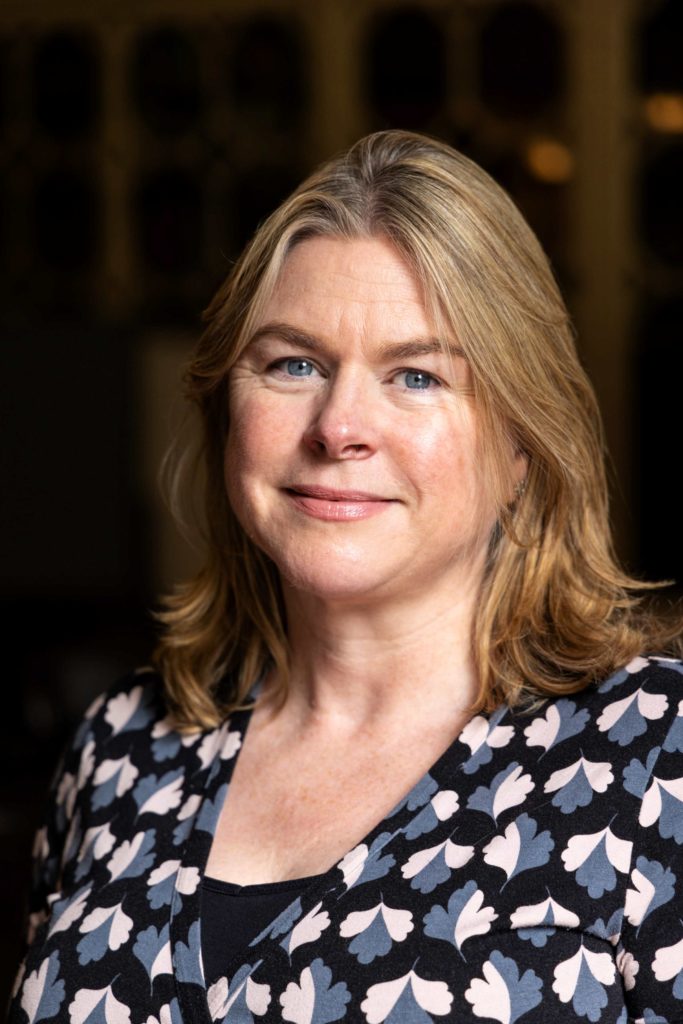
Dr Siobán O’Brien Green works as the Head of Equality, Diversity and Inclusion (EDI), in Trinity College Dublin, the University of Dublin, Ireland. Siobán is responsible for leading and coordinating Trinity’s EDI work areas and Office. Siobán has worked on multiple national and European multi-country gender-based violence (GBV) and equality research projects and has taught, delivered training, published and presented widely on these issues.
Vice-Chair: Iveta Bayerová

Iveta Bayerová works as the Equal Opportunities Agenda Coordinator at Charles University and as the secretary of its Equal Opportunities Board. She is a Ph.D. candidate in Applied Ethics at the Faculty of Humanities, focusing on care ethics and inclusive gender equality in academia. Her professional background includes work in social services and international youth projects, and collaboration with the Czech Ministry of Labour and Social Affairs. She co-represents the Coimbra Group in the ERA Action 5 Sub-group on Inclusive Gender Equality.
Working Group Focus
Equality and diversity are of continuing critical importance to ensure Coimbra Group (CG) universities are sites of excellence in education, research, innovation and societal engagement and are places of work and study that are engaging, attractive, supportive, and inclusive. Challenges in Europe, and globally, to equality and diversity require more than ever that evidence based, research informed, dynamic and inclusive responses are needed – giving CG members a call to action in this era and arena.
The Equality & Diversity Working Group objectives are to provide leadership, expertise and insights in relation to equality, diversity and inclusion (EDI) to all CG member universities. We aim to leverage our knowledge and experience across CG members to inform and advise within the CG network and beyond, including responding to European Commission (EC) and other institutions’ calls for submissions. We recognise the Charter of Fundamental Rights of the European Union and the United Nations Sustainable Development Goals as guiding our objectives.
Our mission is to work across CG membership and to catalyse our respective university alliances and partnerships (such as the CG MoU with the European Students’ Union) and ensure EDI is core to our joint work and efforts. We will continue to participate in the European Commission’s sub-group of experts on “Strengthening gender equality and inclusiveness in the ERA, notably with an intersectional approach” (European Research Area (ERA) Policy Agenda 2025-2027) and find additional routes and paths to highlight the value of embedding intersectional, sustainable and holistic approaches to EDI. In this context, the WG will also contribute to the implementation of CG Declarations, such as the Durham Declaration on Climate Change and Sustainability, by supporting the integration of EDI principles across research, education, institutional policies and partnerships, while also addressing emerging opportunities and challenges including, climate change and artificial intelligence (AI).
We will support the efforts of our Working Group members to meet and exceed the EC’s Gender Equality Plan (GEP) compliance requirements through sharing good practices and learning together. We commit to ongoing peer explorations of how our universities can contribute to equality and diversity for all staff, students, researchers through sharing our work efforts and then ensuring visibility through proactive and continuous collaboration and communication.
Priorities for 2026 – 2029
- Dissemination and promotion of activities among ED WG and CG members, including a focus on intersectional approaches, equality and diversity data collection, exploring and mitigating barriers faced by marginalised researchers, and tackling gender-based violence within the ERA (e.g. REFLECT, GenderSAFE projects, etc.).
- Collaboration with other CG Working Groups to maximise the reach and depth of the ED WG activities such as through webinars, projects, etc. and to jointly address areas of common interest, such as AI.
- Preparation of submissions and contributions to European Commission consultations related to EDI in academia, research and innovation.
- Continued participation in the European Commission’s sub-group of experts under the ERA Structural Policy on ‘Strengthening gender equality and inclusiveness in the ERA, notably with an intersectional approach’ (ERA Policy Agenda 2025-2027).
- Promotion, dissemination and visibility of the book ‘Why EDI Matters: Equ(al)ity, Diversity and Inclusion in European Universities’ within and beyond the CG network, including across the European Research Area (ERA).
Recent highlights since September 2025
- Organisation and facilitation of a breakout session on “Why EDI Matters: Fostering Inclusive Dialogue and Campus Democracy”, led by the ED WG Chair and Vice Chair, within the programme of the CG’s 40th anniversary High-Level Seminar on ‘Reinventing Campus Democracy: Bridging Divides and Advancing Solutions’ (Brussels, November 2025).
- “Why EDI Matters” book release: organisation of an online webinar with the book’s editors and authors on 16 April 2026, and preparation of the in-person book launch on 16 June 2026 at the CG’s Annual Conference hosted by the University of Granada.
- Policy engagement: submission to the European Commission’s public consultation on the development of European Research Area (ERA) Act and to the European Commission’s call for evidence on the upcoming Action Plan on Women in Research, Innovation and Startups.
- EU Gender Equality recognition: Charles University received the EU Newcomer Award for Gender Equality Champions in R&I in February 2026, building on Trinity College Dublin’s recognition as Sustainable Gender Equality Champion in 2023. Now the CG network is uniquely home to two EU Gender Equality in R&I award winning institutions.
- CG Annual Conference 2026: co-organisation of an open thematic session on “EU values shaping inclusive international universities – practical resources and tools from the EUniverse project” (17 June) together with the Academic Exchange & Mobility Working Group and the EUniverse Erasmus+ project.
Ongoing / Forthcoming activities 2026 – 2027
- Implementation of activities under the Horizon Europe funded project, REFLECT – “Researching Intersectional Equity and Fairness in Lived Experiences and Career Trajectories”.
- Planning of an in-person meeting in Brussels, to coincide with the “16 days of Action on violence against women on International Human Rights Day” on 10 December 2026 and Ireland’s Presidency of the Council of the EU. This will build on the similar ED WG successful meeting held in December 2023.
- Planning of an ED WG webinar for the spring 2027. Possible topics include the recent European Commission initiatives such as the Gender Equality Strategy 2026-2030, the Anti-Racism Strategy 2026-2030 and/or the Union of Equality: Strategy for the Rights of Persons with Disabilities 2021-2030.
- Continued dissemination and promotion of the “Why EDI Matters” book.
- Planning of an Erasmus+ Staff Mobility Week in Spring/Summer 2027 with an EDI focus, potentially hosted by the University of Cologne.
- Planning of a dedicated ED WG event/workshop/thematic session during CG Annual Conference 2027 at the University of Würzburg (June 2027).
Forthcoming activities 2027 – 2029
- Continuation of the implementation of the Horizon Europe REFLECT project activities.
- Possible ED WG thematic meeting linked to Italy’s EU Presidency of the Council of the EU (2028), in collaboration with ED WG Italian members.
- Exploration of further ED WG Erasmus+ visits and staff mobility weeks, building on past experiences (at Charles University, Jagiellonian University, etc).
- Planning of an ED WG webinar in the autumn 2027. Possible topics include recent European Commission Gender Equality Strategy 2026-2030, EU Anti-Racism Strategy 2026-2030 and/or Union of Equality: Strategy for the Rights of Persons with Disabilities 2021-2030.
- Exploration of the implementation and impact of the EU Pay Transparency Directive in CG universities with a focus on ED aspects.

Contact person at the CG Office: Emmanuelle Gardan (gardan@coimbra-group.eu)
Academic Exchange and Mobility
Working Group
Chair: Chantal Riccardi
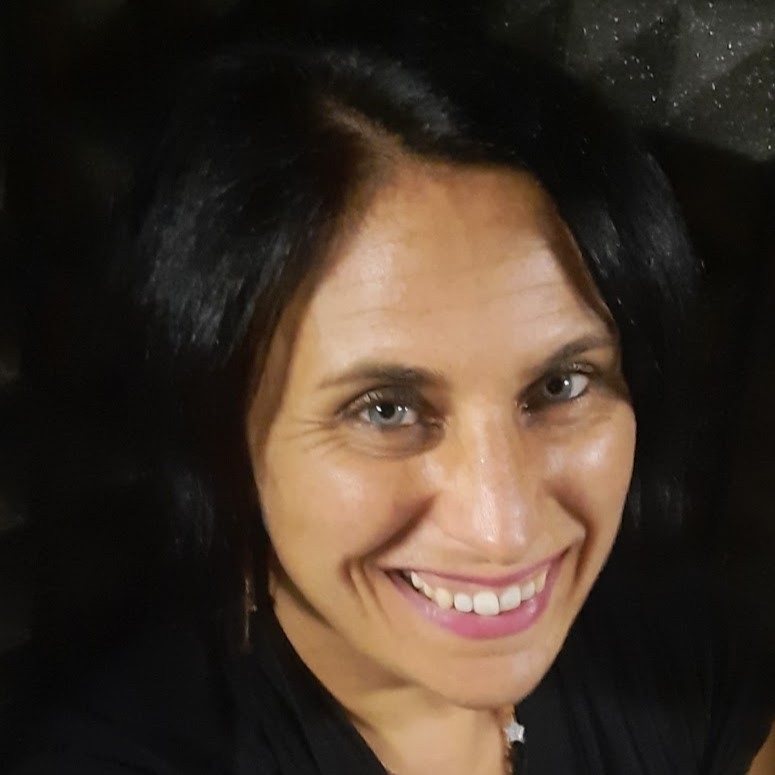
Chantal Riccardi works as International Mobility Officer at the University of Pavia and she has over 17 years of experience in the field of international students mobility. She graduated in Political Sciences (master’s degree in African and Asian Studies) at the University of Pavia. She has been recently involved in the Mobility Task Force and a technical Work Package of the European Alliance EC2U. She is taking part actively in the digitization process of the Erasmus+ Programme being a member of the Erasmus Without Paper (EWP) National Working Groups set up by the National Agency.
Vice-Chair: Daniela Sauge
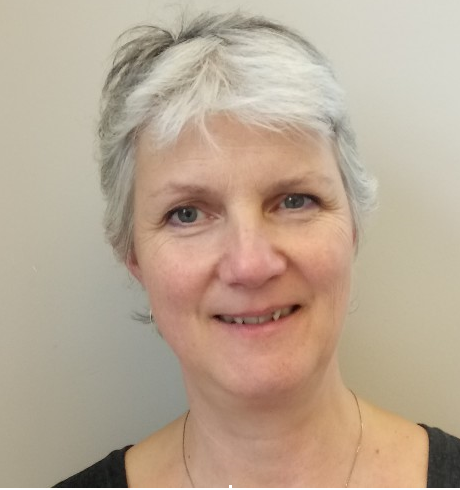
Daniela Sauge is the Head of the Academic Exchange Office of the University of Geneva since 2018. The office actively contributes to the implementation of UNIGE’s international strategy through the setting up of academic exchange, mainly for studying but also for research. It is also responsible for the maintenance and conclusion of collaborations at the European level.
Working Group Focus
The Academic Exchange and Mobility (AEM) Working Group is dedicated to both student and staff mobility, as well as international exchange, tackling a broad set of related challenges. Its activities aim to increase participation, encourage more sustainable travel choices during the mobility experiences, promote inclusiveness, ensure proper recognition of students’ international experiences and examine emerging mobility formats developed within the European University Alliances. Given the current complex political landscape, the design and implementation of mobility initiatives require strong collaboration, the sharing of practices, and creative approaches among partner institutions.
While the Working Group operates within national and European policy frameworks, its members treat these guidelines as a foundation for inspiration, striving to develop and test innovative solutions. To address its wide-ranging scope, the WG also establishes thematic sub-groups focusing on specific areas of interest, enabling more targeted discussion and action.
The main activities are to:
- share knowledge and good practices regarding successful approaches and common difficulties faced in the everyday management of student and staff mobility in higher education institutions (HEIs)
- promote and increase academic exchange among Coimbra Group universities and valorise the Coimbra Group Student Exchange Network (SEN)
- promote the activities of the AEM WG and of the Coimbra Group itself in the international context
- design collaborative initiatives that enhance the quality of mobility, promoting, among other aspects, more sustainable practices, inclusion, the recognition of transversal skills gained through international experiences and the mental well-being of students during mobility periods
- advise the Coimbra Group Executive Board on possible actions to influence the development of European education programmes with mobility components, including through the production of policy documents or recommendations
- strengthen civic engagement and the co-creation of good practices in close collaboration with student associations, including the Erasmus Student Network (ESN) International and the European Students’ Union (ESU)
Priorities for 2026 – 2029
- Inclusion and support to students with fewer opportunities
- Well-being and mental health
- Soft skills and mobility
- Next Erasmus+ programme 2028-2034
- Guidelines for the collaboration between HEIs and ESN local sections
Recent highlights since September 2025:
- Joint online semester meeting between the Coimbra Group and ESN within the framework of the 2021 Memorandum of Understanding 9 April 2026.
- Organisation of thematic sessions at the ESN Erasmus Generation Meeting 2026 (Split, Croatia), 18 April 2026:
- “Valorisation of the activities and support of local ESN sections through collaboration with IROs”, together with ESN Charles University.
- “Inclusive mobility for all: breaking barriers in international exchange”, together with Fundacion ONCE and ESN Spain.
- “ESNers, exchange students and soft skills : results of our survey”, together with ESN Switzerland.
- Co-organisation of an open thematic session on “Interconnecting knowledge: intercultural communication, shared civic values and global mobility”, together with the EUniverse Erasmus+ project and the Global Partnerships and Latin America Working Groups, at the Coimbra Group Annual Conference 2026 in Granada, 16 June 2026.
- Co-organisation of an open thematic session on “EU values shaping inclusive international universities – practical resources and tools from the EUniverse project”, together with the EUniverse Erasmus+ project and the Equality & Diversity Working Group, at the Coimbra Group Annual Conference 2026, 17 June 2026.
Ongoing / Forthcoming activities 2026 – 2027:
- Inter-Working Group activities with the Global Partnerships Working Group on Erasmus+ KA171 actions or on mobility with the Global South.
- Participation as speakers in the session on “A Mental Health Transformation in Student Mobility” proposed by ESN international at the EAIE 2026 Conference in Glasgow (September 2026).
- Joint online semester meeting between the Coimbra Group and ESN within the framework of the 2021 Memorandum of Understanding (Autumn 2026).
- Follow-up on the ESN Erasmus Generation Meeting 2026 session “ESNers, exchange students and soft skills : results of our survey” in collaboration with ESN Switzerland, to gather results across Coimbra Group universities.
Forthcoming activities 2027 – 2029:
- Participation in future ESN Erasmus Generation Meeting Conferences (Spring 2028, Spring 2029).
- Possible participation in other international events: ENIS conference, e.g. CEEDUCON, EAIE.
- Initiation of activities on inclusive mobility for CG students and staff (possible collaboration or activity with Fundacion ONCE).
- Mental well-being: training for staff at CG universities.
- Inter-Working Group activities related to employability.
- Continuation and further initiatives in line with ESN on student mobility among CG universities.

Contact person at the CG Office: Ester Zangrandi (zangrandi@coimbra-group.eu)
Global Partnerships
Working Group
Chair: Nils Gunnar Songstad
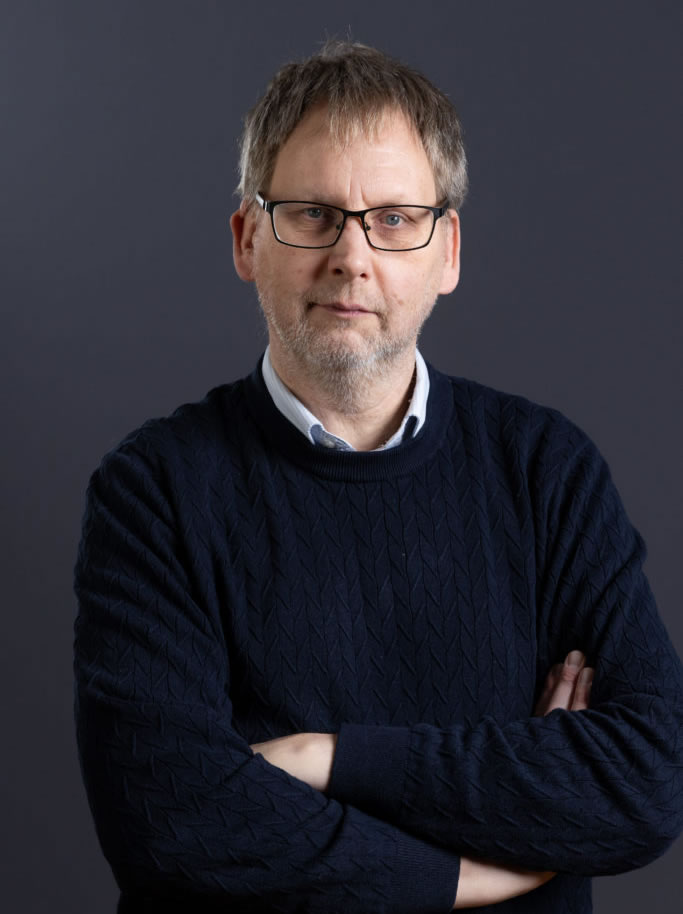
Nils Gunnar Songstad is administrative leader of Global challenges, one of the strategic prioritized areas of University of Bergen, Norway. The unit holds an annual PhD research school, established in 2008, with participants from all over the world. He holds a PhD in health systems research, and his background is in social anthropology and political science. He has extensive work experience in East Africa through development, research and research administration. His main focus is to promote collaboration between scientific disciplines in addressing global challenges, and to stimulate collaboration with the Global South based on mutual responsibilities.
Vice-Chair: Nuné Nikoghosyan
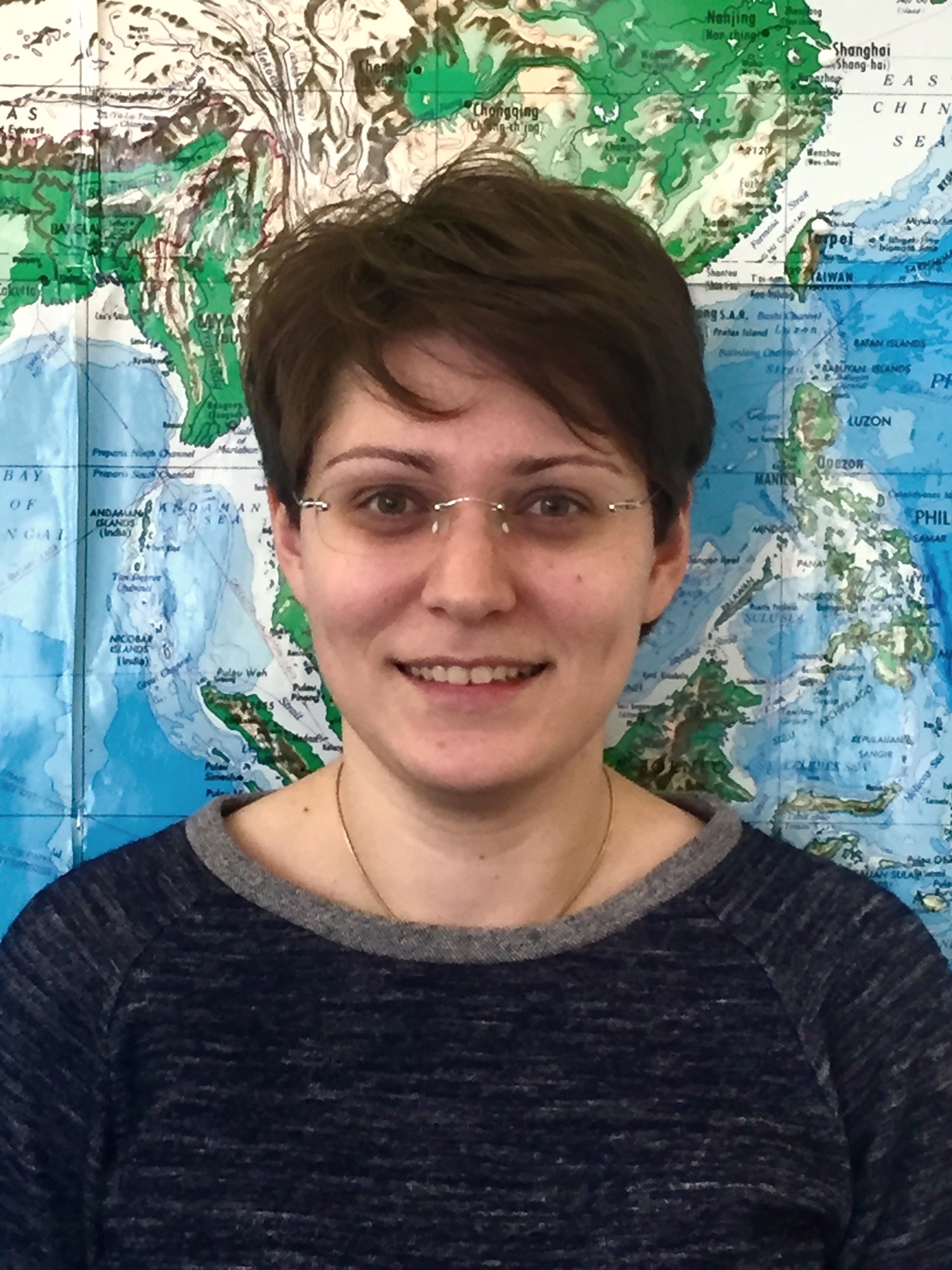
Nuné Nikoghosyan is partnerships manager at the International Relations and Partnerships Office of the University of Geneva, Switzerland. She manages international collaboration agreements as well as multilateral partnerships and seed funding schemes for research. With a PhD in sociology, her main interests lie in internationalization of higher education as well as cultural and science diplomacy. Being originally Armenian and having lived in various countries, her background lies in multicultural environments, and she is convinced of the strong benefits of interculturality and international cooperation for humanity and development.
Working Group Focus
The global social responsibility of universities requires their active engagement with global cooperation issues and challenges. The Coimbra Group aims at increasing such engagement to create an effective response to major cooperation challenges and fruitful relationships with the main global partnership and development agencies, in primis the European Union (EU).
The academic world plays an important role as promoter of a broad and solid approach to global cooperation, the promotion of a global citizenship education and the implementation of a participative approach to research and for global partnerships.
The activities of the Global Partnerships Working Group align with global and European policies in the sense that they refer to actual challenges in global partnerships, especially concerning the SDGs and their implementation in decolonisation and education.
Priorities for 2026 – 2029
- Supporting the implementation of the Africa Charter for Transformative Research Collaborations.
- Implementing joint training sessions and education programmes (e.g. summer / winter schools) to contribute to the improvement of institutional capacities, and implementation of joint training sessions and education programmes in the framework of Erasmus+ projects.
- Sharing knowledge and experiences of collaboration models in higher education and research, by integrating a critical perspective in order to achieve more equitable partnerships.
- Strengthening partnerships and building new connections with university networks and associations across different world regions to foster mutual learning, exchange best practices, and advance shared commitments to equitable global collaborations in higher education and research.
- Investigating the role of universities as agents of global cooperation and science diplomacy at the country or regional level, including human and institutional capacity strengthening. Reflecting on how shifting geopolitical forces are affecting university partnerships and what they stand for.
Recent highlights since September 2025
- The annual International Summer School on European Multilingualism took place at the University of Coimbra (Portugal), 23-27 June 2025.
- With support from the Erasmus+ programme (KA131), the summer school brought together teachers from 9 CG members: the Universities of Coimbra (Portugal), Graz (Austria), Iaşi (Romania), Jena (Germany), Pavia (Italy), Poitiers (France), Salamanca (Spain), Turku (Finland) and Würzburg (Germany), in collaboration with speakers from the University of Niš (Serbia).
- This Blended Intensive Programme (BIP) on European Multilingualism and Cultural Mediation Studies aims to share innovative approaches to language teaching and learning.
- The programme offered courses in translation and language application in small tandem groups: English, German, French, Portuguese and Spanish.
- In addition, Language Discovering Workshops enabled all participants to learn about four Less Widely Used and Lesser-Taught languages (LWULT) – Kurdish, Romani, Serbo-Croatian and Portuguese – and their important role in maintaining language diversity and the world’s multilingual heritage.
- The conference Africa-Europe Research Collaborations took place at the University of Bergen, Norway, on 3 December 2025, alongside a regular WG meeting in Bergen on 1-2 December 2025.
- A total of 75 participants registered for the event, and approximately 50 attended on site.
- The event was streamed, and the recording is available online.
- The event was opened by Kristoffer Chelsom Vogt, Vice-Rector for Research, Education and Internationalisation at the University of Bergen. The keynote address was delivered by Professor Isabella Aboderin from the University of Bristol, UK, followed by comments from Professor Bjørn Enge Bertelsen of the University of Bergen.
- The programme also included sessions on the Southern African–Nordic Centre (SANORD), early-career researcher perspectives on Africa-Europe collaboration, and the Bergen-Sudan collaboration.
- Four members of the Global Partnerships WG presented examples of collaboration between their respective universities and African institutions. The universities represented were the University of Geneva (Switzerland), KU Leuven (Belgium), Friedrich Schiller University Jena (Germany) and the University of Salamanca (Spain). The event concluded with a panel debate on the future of Africa-Europe research collaborations.
- The WG has continued its work on advancing the Africa Charter in collaboration with the Perivoli Africa Research Centre.
- In early 2025, the WG established a sub-group focused on the Africa Charter.
- In May 2025, the WG invited the Chairs and Vice-Chairs of all WGs to receive information on the Africa Charter.
- Following the discussion at the Annual Conference in Bologna in June 2025, the WG initiated a process to develop an application for the COST Action call, with a deadline in October 2025. A successful workshop hosted by KU Leuven, Belgium, in early July 2025 was an important milestone in this process. The core group formed during the workshop went on to develop the application. A key activity in this process was expanding the network of partners participating in the application. CG universities were invited to join.
- UNAM Series activities 2025-2026: the University of Bergen, KU Leuven, Padova University, Turku University and Utrecht University have contributed to the UNAM Networking Series in collaboration with the University of Namibia by delivering online workshops on topics related to research management, grant writing and support. The workshops have been delivered in October and November 2025, February and April 2026, with another online webinar planned for early summer. The workshops have had a broad audience spanning several African countries, numerous institutions of higher education and both scholars and administrative staff.
- Initiative on Peace and Conflict Studies 2024-2025: a new Initiative consortium has been established in Bologna during the Coimbra Group Annual Conference, including the following partners: Coimbra (Portugal), Granada (Spain), Jena (Germany), Padua (Italy), Pavia (Italy), Poitiers (France) and Trinity College (Ireland). Challenges and obstacles regarding Master’s modules taught entirely in English among all partners beside Trinity College have been identified. To address and overcome these obstacles new courses are to be identified and collected by the University of Jena.
Ongoing / Forthcoming activities 2026 – 2027
- At the Coimbra Group 2026 Annual Conference, to be held at the University of Granada (Spain) in June 2026, the Global Partnerships WG will be co-organising:
- A joint session with the Heritage WG, entitled “The Africa Charter and University Colonial Heritage: Opportunities for Dialogue and Learning”
- A joint open session with the Latin America, Academic Exchange and Mobility WGs and the EUniverse project, entitled “Interconnecting Knowledge: Intercultural Communication, Shared Civic Values and Global Mobility”.
- The 2026 International Summer School on European Multilingualism organised annually by the Global Partnerships WG will take place at the University of Pavia (Italy) 22-26 June.
- Coordinated by the University of Poitiers (France), the summer school will involve teachers from CG member universities with the aim of sharing innovative linguistic approaches to teaching and learning languages.
- The programme will offer courses in translation and language application in small tandem groups. It will also offer a Language Discovering Workshop allowing participants to learn about the Less Widely Used and Lesser-Taught languages (LWULT) and their importance in maintaining language diversity and the world’s multilingual heritage.
- Continued cooperation with the Perivoli Africa Research Centre, University of Bristol, on the implementation of the Africa Charter for Transformative Research Collaborations. The Africa Charter is a roadmap to more equitable and more inclusive research relationships with higher education institutions in Africa.
The Global Partnerships WG will work closely with all CG universities and Working Groups to organise events to promote and disseminate knowledge on the Charter. - Continued collaboration within the framework of the Peace and Conflict Studies Initiative:
- The University of Jena launched a new call in March 2026 for the autumn / winter term, for the 2026-2027 exchange cohort of guest students.
- The goal is to launch the first Master’s student cohort with 2 students from each partner university, across 6 or 7 partners, resulting in 12 students participating in the first cohort for the autumn / winter semester of 2026–2027.
- To this end, English-taught courses and/or modules had to be identified and shared with partners for nomination purposes by early April 2026. Mobilities are set to begin in autumn 2026. The certificate has yet to be established.
- Continued collaboration within the framework of the UNAM (University of Namibia) Networking Series, organised by the Global Partnerships WG. The webinar series will be evaluated to decide what should be retained. Several topics have been proposed for new workshops. We have also submitted two abstracts for the SANORD conference hosted by the University of Namibia in September 2026, one for a paper presentation on experiences from the series and one for an on-site workshop on the topic of mentorship.
- Reflection on and development of projects/activities around the Durham Declaration on Climate Change and Sustainability, with a possible draft action plan. In this regard, a small sub-group has been established in spring 2026 and is currently composed of three members.
- Development of a Global Partnerships WG (and eventually Coimbra Group) language policy to support equitable communication and collaborations with all countries and regions.
- Reflection on and development of projects/activities around refugee support initiatives at universities, in collaboration with the relevant stakeholders within each university and the current list of contact persons nominated by CG universities.
Forthcoming activities 2027 – 2029
- In general, the Global Partnerships WG will strive to co-organise at least one joint session with another WG at each Coimbra Group Annual Conference.
- Recurring annual events, where possible:
- International Summer School on European Multilingualism (new host each year)
- Student exchanges within the Peace and Conflict Studies Initiative
- Workshops within the UNAM Networking Series
- Continued efforts within the other projects/activities, including but not limited to the Africa Charter for Transformative Research Collaborations, the Durham Declaration on Climate Change and Sustainability, a language policy, refugee support initiatives.

Contact person at the CG Office: Catarina Moleiro (moleiro@coimbra-group.eu)
Life Sciences
Working Group
Chair: Lino Ometto
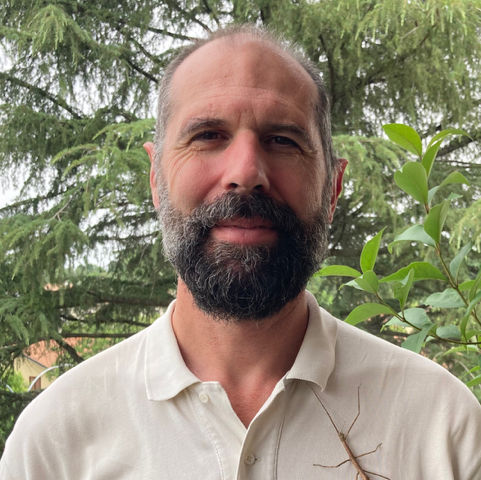
Lino Ometto holds the position of Associate Professor of Zoology at the Department of Biology and Biotechnology of the University of Pavia. He grew up with a keen interest in animals and he likes to think of himself as a zoologist with a sweep net in one hand and a genome in the other. His research interests are aimed at better understanding the origin of adaptive traits in insects (& friends) using population genetics and molecular evolution approaches. After graduating in Biology from the University of Padova, he obtained his Ph.D. in Natural Sciences from the Ludwig-Maximilians University of Munich under the supervision of Wolfgang Stephan. He then studied the evolution of gene expression in ants in Laurent Keller’s lab at the University of Lausanne. He has always enjoyed sharing his passion and interests with students and people in general, and he is regularly involved in outreach initiatives. He is president of the Italian Society for Evolutionary Biology.
Vice-Chair: Marta Camps Camprubí

Dr. Marta Camps Camprubí is Associate Professor in Biochemistry and Vice-Dean for international relations and student mobility of the Faculty of Biology, University of Barcelona. She has been in charge of the student mobility at Faculty of Biology from 2009. Her research interests and expertise cover adipose tissue, obesity and diabetes and she is the author of more than 50 scientific papers in the biomedical field. She has been a member of the Life Sciences Working Group (Coimbra Group) since 2017 and from 2022 she has been coordinating the Life Sciences WG Blended Intensive Projects (BIPs).
Working Group Focus
The proposed actions aim to enhance the excellence and competitiveness of our universities within the life sciences, taking into account the full spectrum of academic activities, i.e. teaching, research and transfer.
The Working Group is focusing on developing common teaching and research strategies in the broadest possible context. We believe that Master’s programmes play a vital role in delivering high-level education, developing the skills of future life scientists and providing a first step in life science research and career development. We have identified Master’s-level projects of common interest through which to facilitate exchanges of students enrolled on these programmes, thereby fostering collaboration and networking among the participating institutions. We are also committed to discussing and taking action on relevant scientific topics, including the role of AI in research and the importance of basic science.
Priorities for 2026-2029
- Master’s in Cancer Biology
- Master’s in Immunology
- Blended Intensive Programmes and Student mobility
- Discussing the impact of AI on life science research and teaching
- Preparing a white paper on the importance of basic and curiosity-driven research
Recent highlights since September 2025
- BIPs (Blended Intensive Programmes)
- Inter-university Master’s programmes
Ongoing / Forthcoming activities 2026 – 2027
Research and Education:
- Master’s Bioscience Programmes
- Cancer Biology (responsible: Maria Sacristan, University of Salamanca)
- The Universities of Åbo Akademi, Barcelona, Coimbra, Cologne, Montpellier, Pavia, Salamanca, Tartu, Turku, Utrecht, Vilnius and Würzburg are involved.
- We are working to expand and strengthen participation among Coimbra Group universities in order to increase visibility and attract interested students. This includes the preparation of ad-hoc presentations and the organisation of supporting activities (e.g. summer school, webinars).
- Reapplication for Erasmus Mundus funding (Pavia, Montpellier, Montreal) coordinated by the University of Pavia.
- Immunology
We are actively promoting and exploring opportunities to join forces with interested partners in Barcelona, Montpellier, Poitiers and Turku to organise a Master’s programme in immunology.
- Cancer Biology (responsible: Maria Sacristan, University of Salamanca)
- Blended Intensive Programmes 2025-2026 (responsible coordinator: Marta Camps Camprubi, University of Barcelona)
- Environmental Remote Sensing 2025-2026 (2nd edition)
- Coordinated by Dr. Shawn Carlisle Kefauver, University of Barcelona, with the following partners: Coimbra Group member universities from Pavia, Poitiers and Würzburg as well as the Free University of Bolzano, Agr. Vet. Sci. Bucharest and the Universities of Eskişehir, Helsinki and Twente.
- Virtual part in April, in-person mobility in July.
- This course covers environmental remote sensing across agriculture, forestry, ecology, oceanography, urban planning, and climate change. It examines fixed sensors, field instruments, aerial platforms, and ESA/NASA satellites, exploring methodologies and best practices for assessing vegetation, water, soil, geological, and urban environments.
- Redox Biology in Health and Diseases 2025-2026 (2nd edition)
- Coordinated by Prof. Teresa Carbonell, University of Barcelona, with the following partners: Universities of Pavia, Wroclaw and Würzburg, and the participation of teachers from the Universities of Coimbra and Salamanca.
- Virtual part in April and May, in-person mobility in May, virtual symposium in June.
- This course explores redox biology and oxidative stress, from evolutionary stress signalling to ROS formation, free radical damage to biomolecules, and antioxidant defence systems. Topics include redox signalling in exercise physiology, oxidative damage in metabolic, cardiovascular, neurodegenerative, and cancer pathologies, and methodologies for analysing oxidative stress markers.
- Complex Diseases 2025-2026 (2nd edition)
- Coordinated by Dr. Esther Esteban, University of Barcelona, with the following partners: Coimbra Group member universities from Montpellier and Würzburg, as well as the Universities of Cagliari, PSL and Strasbourg.
- Virtual part in April and May, in-person mobility in June.
- This course explores the multidisciplinary basis of complex diseases, examining how genetic, morphological, and environmental factors interact to present diagnostic and research challenges for clinicians and scientists.
- Environmental Remote Sensing 2025-2026 (2nd edition)
- Summer Course 2026
- Human Organoids: Model Systems for Human Biology and Medicine 2025-2026
- Coordinated by Dr. Ana Sevilla, University of Barcelona, with the following partners: Coimbra Group member universities of Montpellier and Vilnius as well as the Karolinska Institute.
- This course covers stem cell biology and regenerative medicine, including reprogramming, differentiation, brain organoids, genetic manipulation, key laboratory techniques, ethics, and science communication.
- Human Organoids: Model Systems for Human Biology and Medicine 2025-2026
Education, Innovation and Policy Actions:
- Artificial Intelligence, research and life sciences
- In collaboration with the Education and Innovation WG (and possibly the STEM WG), we plan to organise a one-day workshop on AI in grant writing and evaluation.
- The event will be open to students, researchers, research support staff and policymakers. The workshop aims to: produce practical guidelines on the dos and don’ts of AI use in EU grant writing; analyse how AI affects proposal development and evaluation; understand and support ethical AI use among PhD and Master’s students; encourage and promote cross-institutional dialogue within the Coimbra Group.
- We aim to discuss this further at the Annual Conference 2026 in Granada, with the intention of organising the workshop by the end of 2026 (pending financial support from the Coimbra Group).
- On the importance of basic and curiosity-driven research
- We plan to prepare a white paper on the importance of basic and curiosity-driven research, and how this should be considered by the European Commission when planning funding opportunities.
- Our goal is to have a final version ready by the end of 2026.
Ongoing / Forthcoming activities 2027 – 2029
Research and Education:
- Master’s Bioscience Programmes
- Cancer Biology and Immunology
- Regular monitoring of the progress of Master’s programmes and the active seeking of new partners are both essential.
- Encouraging greater involvement from researchers at current member institutions to increase the number of participating students.
- Master Global Change Ecology
A double-degree programme of the Universities of Bergen and Würzburg has started in 2025. Other CG universities may become involved in it.
- Cancer Biology and Immunology
- Virtual exchanges
- We are exploring the possibility of organising virtual exchanges. There is growing interest among institutions with shared interests in organising such activities, which could reinforce and enhance existing collaborations within Master’s programmes.
- One option would be to have specific classes taught in a hybrid format, whereby local teachers deliver their classes online as part of an equivalent or similar course at other institutions. We are actively discussing this opportunity and aim at having a pilot try in 2027.
- Blended Intensive Programmes (BIPs)
- New editions of the following BIPs (pending confirmation from the Organisational Support; see above for details):
- Environmental Remote Sensing (coordinated by Dr. Shawn Carlisle Kefauver, University of Barcelona)
- Complex Diseases (coordinated by Dr. Esther Esteban, University of Barcelona)
- Human Organoids: model systems for human biology and medicine (coordinated by the University of Montpellier)
- Redox Biology in Health and Diseases (coordinated by the University of Coimbra)
- BIPs currently in the design phase:
- Immunology and Microbiology (coordinated by the University of Poitiers, with Åbo Akademi and the University of Montpellier).
- Liposomes to improve pharmacological treatments of infectious and cancer diseases
- Coordinated by Prof. Amparo Sanchez Navarro and Maria Sacristan, University of Salamanca, with the University of Würzburg).
- This course examines nanotechnology in pharmaceutical applications, focusing on liposomal drug delivery systems for cancer and infectious diseases. Students will integrate molecular biology with pharmacology to design targeted nanocarriers optimising therapeutic efficacy while minimising side effects.
- New editions of the following BIPs (pending confirmation from the Organisational Support; see above for details):
Education, Innovation and Policy Actions:
- Artificial Intelligence, research and life sciences
- Based on the results of the workshop and the ongoing debate and advances of AI in life sciences research, we are keen to continue the dialogue with the other working groups on this topic.
- Our aim is to be prepared to respond to the growing need for regulations and ethical considerations, as well as to promote the efficient and productive use of AI in our field, in both research and education.
- Policy actions and engagement
- We would like to increase engagement and promote the Coimbra Group within our institutions. We are planning to use a standard presentation to showcase our activities, as well as designing a survey for our colleagues in our institutions and faculties. This survey will ascertain whether they are familiar with the Coimbra Group and the Life Sciences (LS) WG, and gather their suggestions on how our WG can better support them.
- Additionally, we would like to understand what kind of support our institutions currently provide when we apply for funding. This will help us to assess any imbalances that could strongly affect the quality and success of grant applications, which extend far beyond scientific research and the quality of researchers.
For instance, we aim to obtain insights into the following: What could make LS research easier? How is policy affecting our work? What support do we need from our universities? Our goal is to gain an overall view of the support that researchers receive from their institutions, and to inform CG Representatives of the necessary actions to reduce inequalities between CG institutions.
Our aim is to launch the surveys in 2026, after which we will take the relevant actions in subsequent years.

Contact person at the CG Office: Ester Zangrandi (zangrandi@coimbra-group.eu)
Heritage
Working Group
Chair: Stuart Hunt (Durham University)

Stuart Hunt is Director of University Library and Collections and University Librarian at Durham University in the UK. In his role he has leadership responsibility for the University’s libraries, museums, galleries and exhibitions, archives and special collections. Additionally, the management of the Durham Castle and Cathedral UNESCO World Heritage Site comes under his leadership. He has a track record in strategic leadership, digital transformation and building external partnerships. Stuart has previously held a number of senior leadership roles in UK university libraries and collections. He serves, or has served, on regional, national and international committees. He has published articles and given conference papers on the role of collections and collections staff within the research infrastructure; content strategy; post-pandemic planning, and; libraries, sustainability and the United Nations Sustainable Development Goals.
Vice-Chair: Markéta Křížová (Charles University)

Markéta Křížová is Professor of History and former Vice-Rector for International Relations at Charles University, and Adjunct Professor at the University of New Mexico. She is member of the steering committee of ENIUGH (European Network in Universal and Global History) and currently participates as PI in the project COLUMN (Colonial Legacies of Universities: Materialities and New Collaborations, 2025-2029, within the Horizon Europe scheme, directed at the University of Utrecht). Co-edited (with Peter Larsen) European University Legacies: Problematic Heritage and Contemporary Practice (Edinburgh University Press, 2025), a volume published thanks to the CG Funding Scheme 2023-24.
Working Group Focus
The Coimbra Group Heritage Working Group (HER WG) provides a space for everyone working with cultural heritage, including professional staff and researchers, to come together, share ideas and reflect on the role of cultural heritage in universities, and on what opportunities are provided by cultural heritage in universities. We have developed a work plan focused on fostering collaboration and addressing the issues faced by cultural heritage practitioners in universities.
Our work plan is divided into six main areas:
- Cultural heritage and the University
- Universities‘ built heritage
- Conservation
- Shared Collections
- Joint projects and grant opportunities
- Promotion, networking and outreach
We recognise that the HER WG operates in a heritage space which is very large, complex and at times confusing to navigate. We are increasingly focusing our efforts on understanding what we can contribute to the European cultural heritage space, where it makes sense for us to take a leading role and where partnership with others is more appropriate. The creation of the European University Alliances has also provided us with opportunities to collaborate with a new set of networks that have a strong interest in culture.
Priorities for 2026 – 2029
- International conferences and workshops (setting up Erasmus+ winter/summer schools on a regular basis).
- Promotion, networking and outreach (incl. a dissemination project on problematic heritage; establishment of a conservators’ network; continued inter-WG cooperation with the Global Partnerships WG; development of a dedicated declaration on heritage).
- Joint projects and grant opportunities (with a current focus on CG funding and inter-WG initiatives e.g. the Africa Charter for Transformative Research Collaborations).
- Special focus on problematic heritage (including intangible cultural heritage, risk management and sustainability).
- Publications of international seminars( proceedings (in the journal “MUSEA. Journal for museology, museum practice and audience”).
Recent highlights since September 2025
- International seminars and workshops:
- International seminar on teaching with objects: “University museums, exhibitions and collections as learning spaces and new approaches to interpretation and teaching with objects” held on 24 October 2025 at Gustavianum, Uppsala University, organised by Mikael Ahlund and Britt-Inger Johannson
- Contribution to CG High-Level Seminar “Reinventing Campus Democracy seminar” (21 November 2025) in Brussels, with a presentation of the temporary exhibition “Experiencing democracy. Your voice. Your vote. Your future…” by Bernadette Biedermann (University of Graz).
- Publication in the MUSEA Journal, Issue 4: MUSEA / Jg. 2 (2026) H. 4, including a special focus based on the HER WG international seminar held at the University of Tartu on 15 November 2022 on the built heritage of universities.
- Two meetings of the Horizon Europe funded project COLUMN (“Colonial Legacies of Universities: Materialities and New Collaborations”), led by Utrecht University (Gertjan Plets), in Prague (15-17 October 2025) and in Cape Town (22-25 February 2026).
- Planning of an open inter-WG session at CG Annual Conference 2026 in Granada, together with the Global Partnerships WG, on the Africa Charter for Transformative Research Collaborations.
- Continued work on a declaration on heritage, with initial outcomes to be shared at CG Annual Conference 2026 in Granada (June 2026).
- Submission of a proposal for a Winter School under the CG funding scheme for WGs, to take place at the Jagiellonian University of Krakow in autumn 2026.
Ongoing / Forthcoming activities 2026 – 2027
- Inter-WG cooperation with the Global Partnerships WG on the Africa Charter for Transformative Research Collaborations.
- Continued work on a declaration on heritage alongside the planning of an international seminar on risk management and sustainability at the University of Poitiers in autumn 2026.
- Planning of a Winter School to take place at the Jagiellonian University of Krakow in autumn 2026.
- Development of a practical toolkit / handbook for managing problematic collections.
Forthcoming activities 2027 – 2029
- Regular autumn meeting of the HER WG in 2027: to be jointly organised by Durham University and the University of Edinburgh.
- Future priorities to be developed by the incoming HER WG Chair and Vice-Chair, who were elected during the CG Annual Conference 2026 in Granada.

Contact person at the CG Office: Emmanuelle Gardan (gardan@coimbra-group.eu)
Research Support Officers
Working Group
Chair: Jutta Schloon

Dr. Jutta Schloon is a Senior Research Advisor at the University of Bergen’s Division for Research and Innovation. She provides comprehensive pre-award services to researchers seeking European funding and large national grants, with a particular focus on the Social Sciences and Humanities. In addition, she coordinates the Trond Mohn Research Foundation-UiB Career Program for young researchers. Jutta holds a PhD in Literary Studies and has an academic background in German Studies, French Studies, and Business Administration. Her extensive international experience spans both the academic and cultural sectors, having worked in Germany, Switzerland, France, and Norway.
Jutta began her career in research management as a scientific coordinator for a Collaborative Research Centre at the University of Freiburg, Germany, before relocating to Norway in 2013.
Vice-Chair: Annett Margull

Annett Margull is Head of the Research Funding Office within the Service Centre for Research and Transfer at Friedrich Schiller University Jena, Germany. She leads the university’s research funding services, with responsibility for the strategic development and optimisation of research support processes and services that enhance the research environment for researchers, university staff, and institutional stakeholders.She has more than 20 years of professional experience in research support, research funding, research management, and research evaluation across national and international funding programmes. She is actively involved in national and international networks and initiatives that foster the professionalisation of research management and the exchange of good practices across the European research landscape.Annett holds a degree in Engineering. Before joining Friedrich Schiller University Jena, she worked at a non-university research institute and as a project manager in industry, gaining experience in applied research and industrial innovation.
Working Group Focus
Research is a core priority embedded within the institutional strategies of each member of the Coimbra Group (CG). Together with education and innovation, research is critical to addressing not only national and European challenges, but also global challenges. CG provides a unique and valuable forum for its members to influence European research and innovation policy and to share and develop best practice in research support through the mutual exchange of ideas and experience.
The increasing complexity of the research landscape, research policy, research programmes and funding, and, in particular, the European Union’s Framework Programme, underscores the rationale for greater and enhanced cooperation in research. This is underpinned by the individual experience of each member university in such programmes, which collectively provides an important platform from which to share experiences, inform best practice, and shape policy.
The Research Support Offices (RSO) of our universities are important enablers of research, providing support for researchers and institutions in the development and delivery of their research objectives and strategies. The RSO Working Group brings together representatives from the Research Offices of all 42 CG member universities, with a total of 60 colleagues involved. Additionally, the institutions regularly choose to send experts to the topical meetings.
The RSO WG aims to explore, develop and share intelligence on common areas of interest while, at the same time, making provision for enhanced communication and the exchange of ideas/experience across the different levels of experience.
Through its core areas of activity, the Research Support Officers Group seeks to:
- Support the Executive Board in shaping research policy through the development of position papers on European research policy, and through increased interaction with similar networks and national stakeholders for joint advocacy purposes.
- Share best practice and experience in research management and support.
- Promote knowledge exchange through the exchange/hosting of research support staff.
- Synergise with other CG Working Groups to add value and support their objectives relating to research and innovation.
Priorities for 2026 – 2029
- Research advocacy: with a strong focus on the European research and innovation landscape, actively monitor and interpret systemic shifts in funding priorities. Strengthen coordinated advocacy through European and national networks to ensure that the voice of universities is reflected in the design of FP10, including safeguarding the role of collaborative research and SSH.
- Research policy: develop a structured approach to analysing and anticipating European research policy developments, including FP10, the MFF, and related initiatives. Build internal capacity to interpret key trends. Translate these developments into institutional strategies and communicate them effectively to researchers and leadership, including both risks and new opportunities.
- Training for research support officers: continuous professional development – developing and enhancing the skills base around the professional support of research and research leadership – through exchanges, hosting arrangements and training events aligned with specific themes.
- Sharing best practice in research management and research support: strengthen mechanisms for the systematic exchange of best practice across institutions, with a focus on adapting to new funding realities. This includes sharing approaches to ERC/EIC support, MSCA strategy, and effective pre-award and post-award processes under lump-sum funding.
Recent highlights since September 2025
- Study visits to Brussels (March 2025 and March 2026)
The WG organised two study visits to Brussels, hosted at the premises of national liaison offices (Norwegian and German), ensuring direct access to European Commission insights while enabling structured knowledge exchange and transfer across participating institutions. These visits provided first-hand insights into the preparation of FP10, including shifts towards competitiveness, the strengthening of the ERC/EIC, risks to SSH, changes in evaluation systems, and new instruments. The outcomes have directly informed institutional strategies and internal guidance. - Webinar on research security (November 2025)
The WG organised an online session dedicated to research security with the participation and input from John Westensee (Aarhus University), to address the growing importance of this topic in the European context. The discussion highlighted increasing geopolitical pressures, the need for structured risk assessment of international collaborations, and the expectation that research security requirements will increase significantly in FP10. The session also provided concrete institutional examples, including the screening of partnerships, internal compliance processes, and integration of security across HR, legal, IT, and research management. - Active contribution to European policy discussions (ongoing):
Members have actively monitored and contributed to debates on FP10, the Multiannual Financial Framework (MFF), and the future of EU research funding. Through engagement with other European networks and consultations, the WG has strengthened the visibility of research support perspectives and university needs.
Ongoing / Forthcoming activities 2026 – 2027
- Monitoring and interpreting the launch of FP10 and its first Work Programmes.
- Strategic positioning towards ERC, EIC and MSCA.
- Adapting to new funding models (including lump-sum funding and beyond).
- Artificial Intelligence in research support and evaluation.
- Research security and responsible international collaboration.
Forthcoming activities 2027 – 2028
- The future of collaborative research and SSH positioning.
- Evolution of research evaluation and support services.
- Projects’ applications focused on best practices in research management and research support to strengthen collaboration and training networks.
- Preparation, together with the Executive Board, of the Coimbra Group’s 6th High-Level Seminar on Research Policy, (to be hosted by Uppsala University in the fall 2027.
Forthcoming activities 2028 – 2029
- Mid-term reflection on FP10 implementation.
- Strategic diversification of funding sources.
- Mature integration of AI and digital tools in research management.
- Strengthening the role and professionalisation of RSOs.

Contact person at the CG Office: Stefania Parnici (parnici@coimbra-group.eu)
Latin America
Working Group
Chair: Omar Garcia
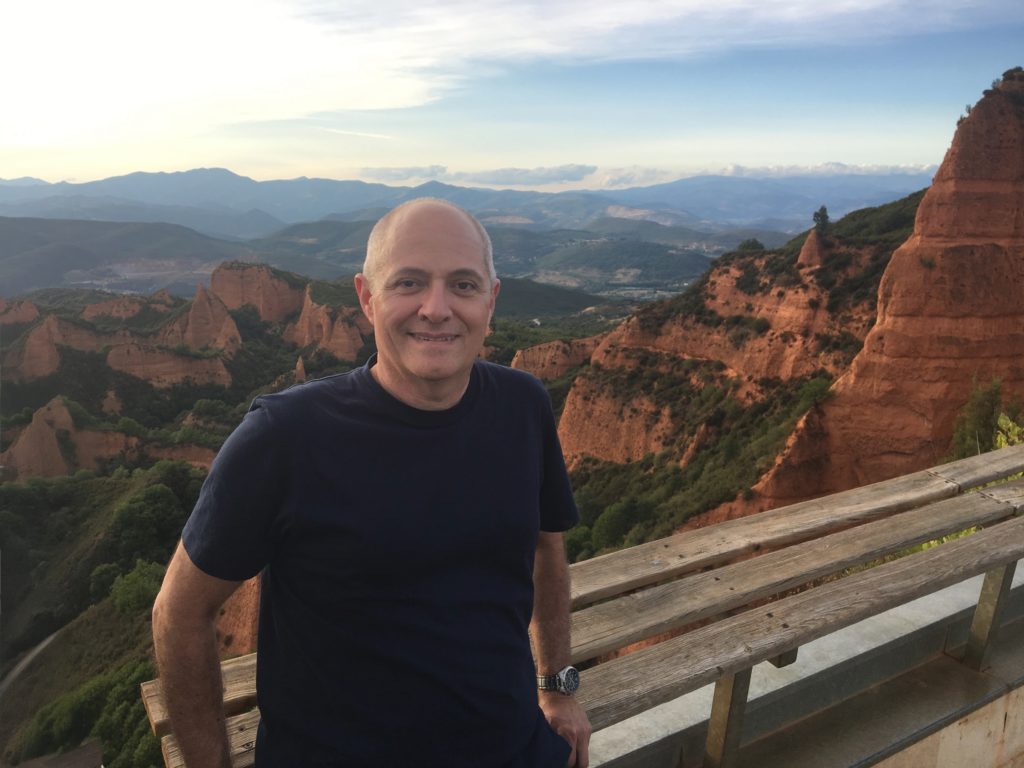
Professor Omar García, BS, BA, MA, MSEd, PhD [Miami], PhD [London], FTCD, holds the 1926 Chair of Spanish at Trinity College Dublin, where he is the Head of the School of Languages, Literatures and Cultural Studies since 2021, and Director of the Centre for Global Intercultural Communications since its foundation in 2021.
Professor García is a Hispanist, who studies both Latin America & Spain, and a Comparatist, a published, award-winning poet and a human rights activist. He joined TCD in January 2020 with the specific remit of developing Latin American Studies, and was at Queen Mary University of London from 1992 to 2020, where he was Professor of Hispanic Studies and Comparative Poetics (2010-20). He brings to the role over 33 years of experience in Higher Education at international level.
Vice Chair: Irene Pedreira
Irene Pedreira Romero is Director for International Projects and Networks at the Vice-Rectorate for Internationalization of the University of Granada (UGR) since June 2019. With over 25 years of experience in higher education, she specializes in EU-funded academic cooperation projects and multilateral networks. In this context, she manages the UGR’s participation in international academic projects focused on institutional cooperation, acting as the main contact for the administration, coordination, and overall management of these initiatives. She has extensive experience collaborating with universities in Latin America, participating in various academic mobility and capacity building projects, as well as training activities in the last two decades. She has given seminars on various aspects of the internationalisation of higher education at different universities in the region and is a member of the LAWG since 2020.
Working Group Focus
The Latin America Working Group (LA WG) aims to promote a space for scholarly exchange and interaction between Latin American universities and universities in the Coimbra Group, fostering impactful and collaborative action in both regions. Research, policy development, knowledge exchange, and knowledge diplomacy must be rooted in an understanding of local and national priorities within Latin America, as well as the strengths and benefits of mutual collaboration, with the view to implementing long-term, sustainable partnerships.
Collaboration for academic advancement, knowledge dialogue, and research development between European universities and Latin American institutions has a long tradition. The Coimbra Group has played an important role in providing links to institutions and networks relevant to this cooperation, facilitating initiatives and projects for the benefit of member institutions. To increase knowledge of regional opportunities and challenges, the LA WG pursues a jointly agreed set of shared goals and synergies among Coimbra Group universities. This strategy aims to increase the quality and quantity of academic cooperation with Latin American institutions, networks and agencies, leveraging numerous opportunities created by ongoing high-level policy dialogues between the two regions. Consequently, it is essential to understand the Latin American context from a global perspective and define the role of Latin American experiences in tackling global challenges.
A key priority for the LA WG is to reinforce and develop cooperation with networks in Latin America, such as AUGM, CLACSO, and UDUAL, whilst simultaneously seeking synergies with other networks with which the LA WG has not previously collaborated, such as the Asociación Universitaria Iberoamericana de Postgrado (AUIP). These initiatives include research round tables leading to joint research proposals, jointly created enhancement programmes, shared expertise around themes of mutual interest, mobility and exchange opportunities, and joint activities designed to generate interaction at the postgraduate level.
Contributing to these aims, the LA WG focuses on engagement with a range of institutions and organisations across Europe and Latin America, including the EU-LAC Foundation, the European Commission’s DG RTD, CLACSO, and the UNESCO. This engagement supports discussions on policy and practice, contributing to plans and actions that are fully inclusive of Latin American higher education cultures, expertise, research, teaching, and professional services.
Priorities for 2026 – 2029
- Fostering strategic partnerships in a global context in relation to Latin America: to build links with key stakeholders, such as the Instituto Cervantes (IC) or the Asociación Universitaria Iberoamericana de Postgrado (AUIP) and to engage with key representatives across Europe and Latin America, advocating where necessary, to contribute to policy development that promotes sustainability, socio-economic inclusion, and reflection on Latin America’s role in in a global context.
- Maximising Coimbra Group synergies and participation: to proactively engage with all 42 member universities of the Coimbra Group, identifying internal synergies and encouraging more active engagement with Latin America among institutions with a shared willingness to cooperate, thus expanding knowledge exchange and enhancing the global reach of our network.
- Developing equitable, long-term projects and funding opportunities: to collaborate on fruitful, long-term projects across Europe and Latin America with potential global reach, promoting not only equality but also equity, whilst fostering cooperation through a diverse range of funding mechanisms.
- Promoting Spanish as an academic and scientific language: to increase the visibility and transnational promotion of Spanish as a key language for academic and scientific discourse, in alignment with the strategy adopted by the University of Granada which is leading the way in its implementation at Latin American universities.
- Enabling dialogue and impactful platforms with regional networks: to foster inclusive, constructive dialogues and exchange platforms with key regional networks, particularly CLACSO and AUGM, exploring shared visions on critical thinking, academic freedom, and democracy, while shaping the collaborative EU-LAC research and education landscape
Recent highlights since September 2025
- Facilitated collaboration in Brussels for a joint open thematic session at the Coimbra Group Annual Conference 2026 (Granada, 16 June 2026): “Interconnecting knowledge: intercultural communication, shared civic values and global mobility”, organised by the EUniverse Erasmus+ project in collaboration with the Global Partnerships and Academic Exchange & Mobility Working Groups.
- Erasmus+ Action Type KA171-HED (Mobility of higher education students and staff supported by external policy funds, KA171-HED) application submitted by Trinity College Dublin in February 2026, aimed at expanding partnerships in Latin America and the Caribbean: UDIR-UNAM, Morelia, Mexico, Universidad Rafael Landívar (Guatemala), FGV (Fundação Getulio Vargas, Brazil), and UWI (The University of the West Indies at Cave Hill, Barbados) – pending results (expected June/July 2026).
Ongoing/forthcoming activities 2026 – 2027
- Joint high-level Latin America WG event in Brussels (end of 2026): to organise a high-level event aimed at highlighting the spirit, and crucial importance, of intellectual independence in securing the traditional role of universities as knowledge-based influencers on public policy.
- The event will gather academics, researchers and policymakers from Europe and Latin America to strengthen partnerships based on the fundamental principles of academic freedom that have long underpinned university traditions in both regions. An anticipated outcome is the production of two thematic policy briefs examining academic freedom as a prerequisite for generating robust and reliable research on global challenges of strategic importance to Latin America, the Caribbean (LAC) and Europe.
- Co-creating an EU-LAC cooperation agenda with CLACSO: to develop, in collaboration with CLACSO, a jointly designed cooperation agenda that enhances the potential of EU-LAC collaboration by building bridges between different initiatives in both regions (e.g. Global Gateway, the next EU Research and Innovation framework programme (FP10), and related initiatives).
- Developing joint funding applications: to prepare funding proposals in the fields of either education and/or research under relevant European Commission programmes (e.g. Erasmus+, Horizon Europe, etc. ), as well as through Latin America-focused funding bodies and organisations (e.g. UNESCO and the EU-LAC Foundation), in order to support long-term collaboration in research and higher education.
Ongoing / Forthcoming activities 2027 – 2029
- Joint academic seminar in Latin America and the Caribbean (LAC) – potentially in collaboration with CLACSO. The event will be organised around the time of the XI CLACSO conference (either immediately before or after the event) on selected common/cross cutting challenges f shared importance to LAC and Europe.
- Strengthening engagement with key EU-LAC networks: continue to engage with the EU-LAC Foundation and the Academic Forum of the Permanent Academic Forum between Latin America and the European Union – FAP ALC-UE (and other relevant networks), through participation in key events and collaboration in the development of concept notes and supporting documentation for international organisations and governments in both regions.
- Expanding cooperation with European actors in the region: foster ties and explore opportunities for formal cooperation agreements with major European actors active in LAC such as Fundación Carolina, DAAD, SEGIB, CALAS and others.
- Exploring the possibility of organising a second Coimbra Group high-level event bringing together significant academic input and a broad range of public and private stakeholders to co-create a joint agenda for collaboration. The first edition took place in Montevideo, Uruguay, on 5-6 December 2022, under the title “Strengthening academic collaboration between Latin America and Europe”.
- Seeking to publish a follow up volume, or series to the 2021 book, this time potential entitled Why Latin America Matters/ Latin American Matters.
- Launching ‘Smaller Tasks for Big Impact’ across the network: empowering each WG member to own a piece of the work plan by creating smaller and achievable projects across the network based on existing institutional partnerships and networks, while enhancing areas that could benefit from each other’s expertise to benefit the entire Coimbra Group network.

Contact person at the CG Office: Catarina Moleiro (moleiro@coimbra-group.eu)
Doctoral Studies
Working Group
Chair: Adriana Zait
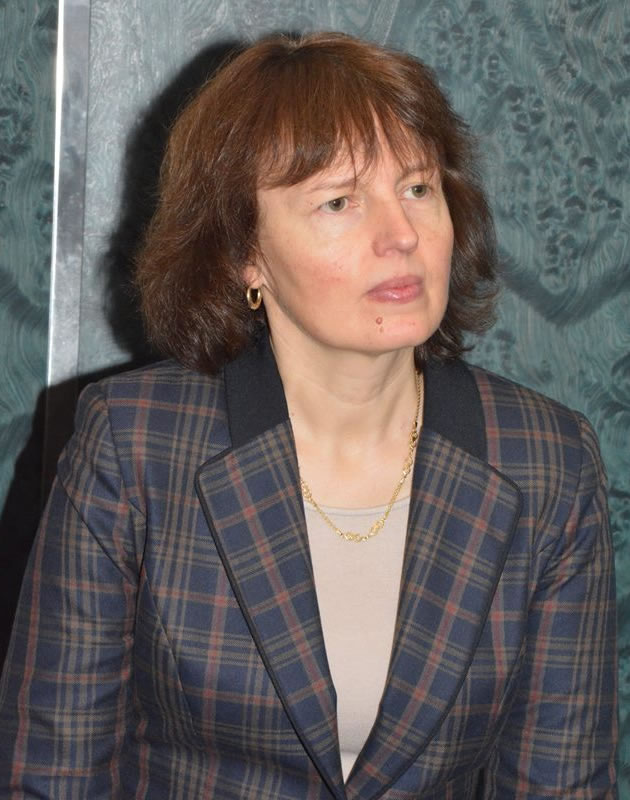
Adriana Zait is professor and director of the Doctoral School of Economics and Business Administration from University Alexandru Ioan Cuza of Iaşi. She holds a PhD in econometrics and teaches business research methods, intercultural management, services marketing and public relations. As PhD theses coordinator in Marketing, she supervised 29 doctoral students from 2007 to the present, and has been member in more than 30 doctoral coordination commissions.
Her main interests are in ensuring an interdisciplinary and intercultural education for doctoral students, in a research environment in quest of a better adaptation to the complexity, volatility and incertitude of our world.
Vice-Chair: Elise Pinta
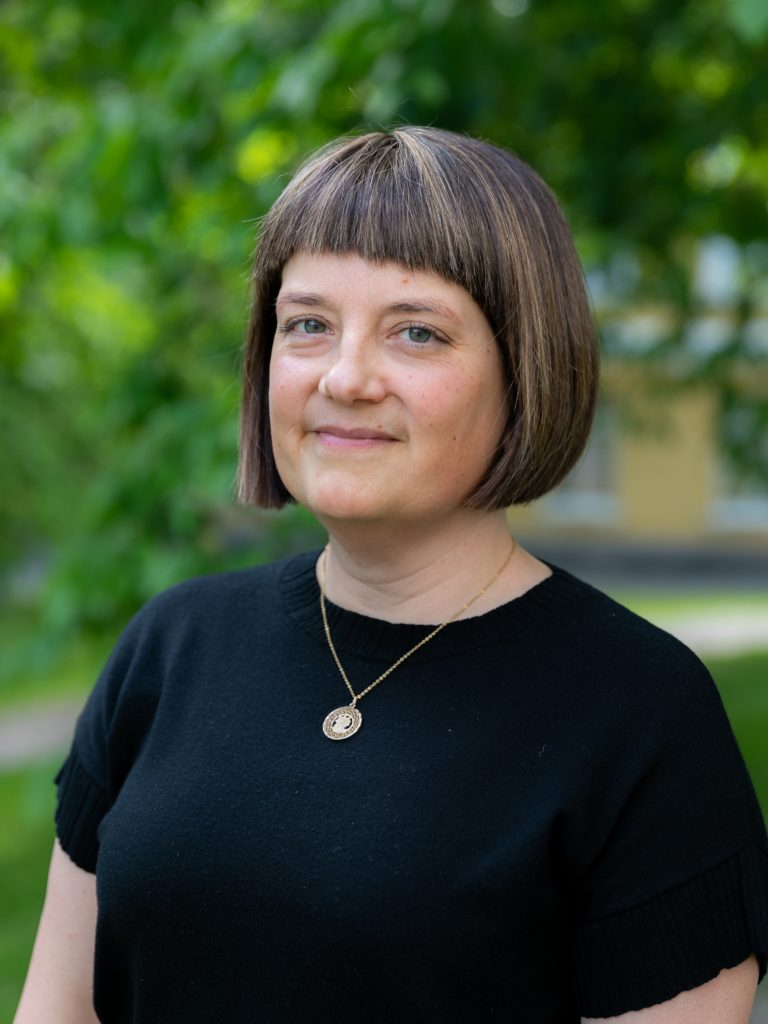
Head of the Research Career Unit, PhD Elise Pinta is long-standing developer of doctoral training at University of Turku. She holds a PhD in medicinal biochemistry and is also trained as a teacher, rector and university administrator. Pinta has been establishing doctoral programs and graduate school activities, such as university-wide transferable skills training, supervisor training and different mentoring programs. Pinta is also an active player in national and international networks (latest, European University EC2U consortium’s Cotutelle & Doctoral Training Cooperation task force and National ERA4 action group coordinated by Unifi (Council of Rectors of Finnish Universities)).
It was Pinta’s initiative to organise the first national doctoral education day in Finland, now an annual tradition. Her development efforts are currently focused on strengthening cross-sectoral cooperation and supporting the well-being of early-career researchers.
Working Group Focus
The Doctoral Studies Working Group supports Coimbra Group (CG) member universities in advancing the scientific quality and societal relevance of doctoral education and research, through a permanent exchange of information, the sharing of best and innovative practices, and joint activities among CG universities.
The WG collaborates with corresponding European University Alliances and other university networks in the organisation of doctoral programmes and the support of early research careers. The DS WG operates at the intersection of research excellence, institutional practice and public policy, with a strong commitment to evidence-based advocacy in the field of doctoral and postdoctoral training. The WG actively participates in various EU fora, representing the entire network within the scope of its responsibilities. Recently, this role has been particularly prominent in connection with European Research Area (ERA) activities.
The DS WG brings together doctoral supervisors, administrative support personnel for doctoral researchers, and institutional leaders to examine current challenges and develop practical responses grounded in rigorous scholarship, aiming to support informed institutional development and public advocacy. The WG places particular emphasis on the quality of doctoral supervision, recognising supervisors not only as academic mentors but also as key supporters of researchers’ skills development and wellbeing.
Interdisciplinarity is also central to the DS WG’s approach and is increasingly required when navigating complex cross-disciplinary knowledge environments. The WG also addresses the far-reaching implications of artificial intelligence (AI) for doctoral research, supervision practices, research integrity and the future of knowledge production.
The DS WG operates in a context of overlapping crises, such as climate change, geopolitical instability, uncertainty and democratic decline. It focuses on how institutional structures, funding and policies shape the work of doctoral researchers, supervisors and support staff, and how these factors influence the quality of doctoral education and its contribution to science and society.
Priorities for 2026 – 2029
- Doctoral supervision quality: synthesising best practice and challenges, developing frameworks, offering training resources and policy recommendations to professionalise and support doctoral supervisors across disciplines and institutional contexts (primary focus).
- Doctoral education in a multi-crisis context: examining how overlapping global crises affect doctoral researchers’ projects, scholarly output, acquired skills, health and wellbeing and career trajectories, as well as how universities can build resilience and respond with agility and flexibility to support early-career researchers, encouraging international mobility and collaboration.
- AI and research integrity in doctoral education: exchanging information and discussing how generative AI reshapes doctoral research practices, supervision, assessment and academic integrity, with a view to suggesting institutional guidance tailored to CG member universities.
- Societal impact and interdisciplinarity: promoting doctoral research that bridges disciplines and contributes to real-world challenges, and identifying suitable institutional models that harmoniously and rigorously integrate both fundamental research and applied inquiry.
- Evidence-based policy advocacy: generating ideas, best practicesand empirical data to inform national and European policies on doctoral education, researcher training and the recognition of doctoral competences in interconnected careers within and beyond academia.
Recent highlights since September 2025
- Special DS WG webinar presenting the results of the PRIDE network on supporting doctoral researchers in their final year, 4 November 2025.
- Supporting researchers’ careers: special event, “Life after the PhD”, with the participation of early-career researchers from CG universities, 24 November 2025.
- Joint meeting between the DS WG and EURODOC on young researchers’ mental health, 25 February 2026.
- “Building a supportive research culture”: special event for the DS WG and other interested WGs, 14 April 2026
- Preparation of the 10th edition of the network’s Three-Minute Thesis (3MT) Competition live final, taking place during the Coimbra Annual Conference hosted by the University of Granada, 18 June 2026.
- Participation in the Coordination Committee developing the European Doctoral Day (first edition held across Europe on 13 May 2026).
Ongoing / Forthcoming activities 2026 – 2027
- Debriefing report following the Coimbra Group Annual Conference in Granada, including updates from members: snapshot of best practice and challenges (November 2026).
- Report on updated results from the doctoral supervision work stream (December 2026).
- Comparative analysis of doctoral supervision, doctoral training and collaborative practices across Coimbra Group universities and European University Alliances: mapping existing provision, identifying gaps and synthesising shared solutions for supervisors’ professional development and the improvement of doctoral education (February – March 2027).
- Special event under the “Life after the PhD” series, within and beyond academia (April-May 2027).
- Preparation of the network’s 3MT Competition live final to take place during the Coimbra Group Annual Conference 2027 at the University of Würzburg (June 2027).
Forthcoming activities 2027 – 2028
- Special event on doctoral research and supervision in the age of GenAI and in an international context, and the consequences for early-career research trajectories (November 2027).
- Compendium of open access training resources for doctoral supervisors: a freely accessible repository of evidence-based materials, case studies, publications and reflective tools across career stages, disciplines and institutional contexts (March-April 2028).
- Preparation of the network’s 3MT Competition live final to take place during the Coimbra Group Annual Conference 2028 (June 2028).
Forthcoming activities 2028 – 2029
- Open special event to be defined according to the priorities identified during the DS WG meetings in 2027 (November 2028).
- Open special event to be defined according to the priorities identified during the DS WG meetings in 2028 (March-April 2029).
- Preparation of the network 3MT Competition live final to take place during the Coimbra Group Annual Conference 2029 (June 2029).
- Updated reports on the stated priorities of the DS WG for 2026-2029 and evaluation of the 2026-2029 Work Plan, in preparation for the next DS WG strategic cycle: systematic review of outputs, impact and member engagement over the plan period, with a view to informing an ambitious and responsive agenda for 2030 and beyond (November – December 2029).

Contact person at the CG Office: Stefania Parnici (parnici@coimbra-group.eu)
Education Innovation
Working Group
Chair: François Lecellier
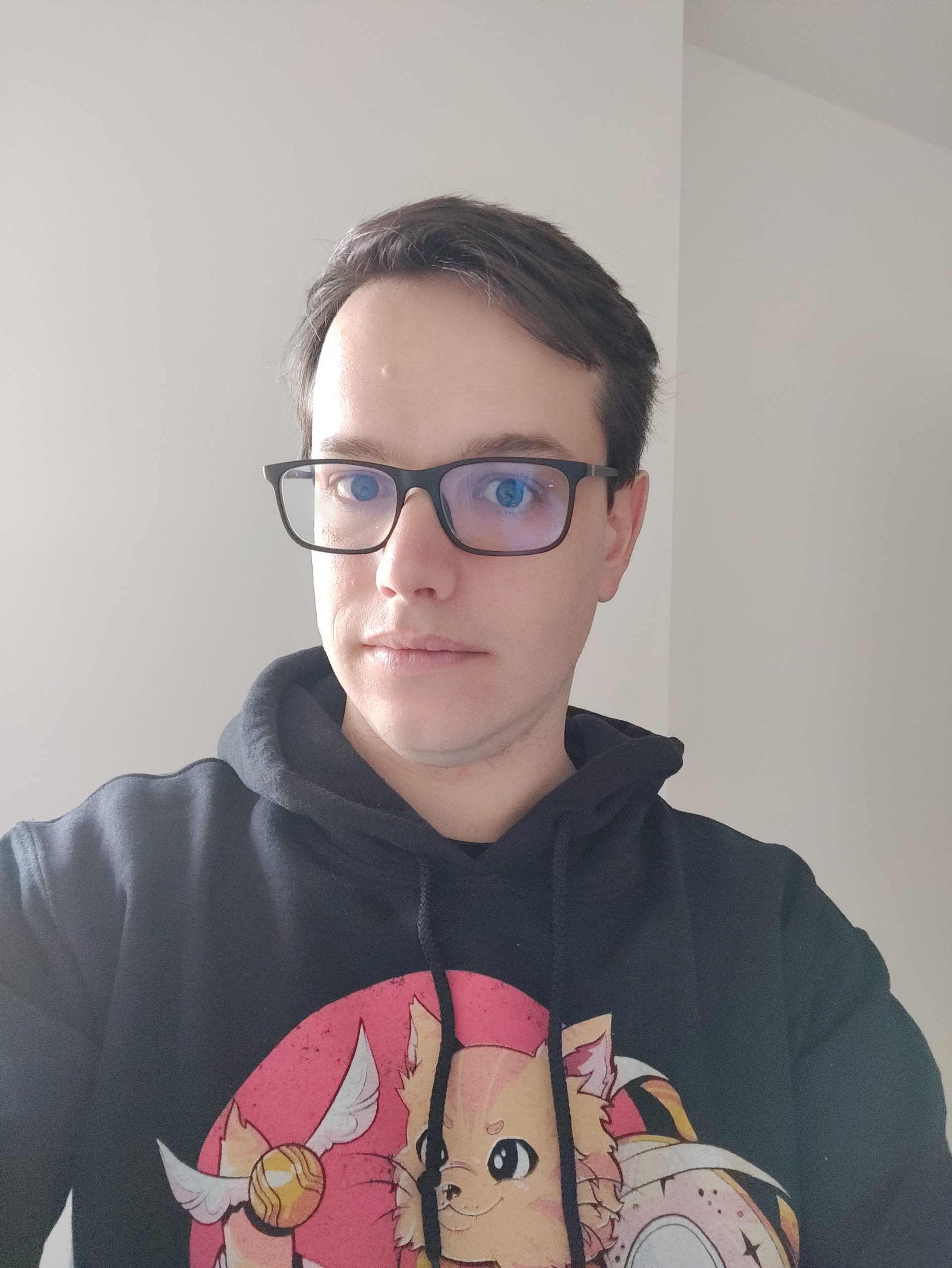
François Lecellier is Associate Professor in Computer Science at the Institute of Technology of the University of Poitiers in France. His research interests are focused on image, videos and data processing and clustering. He also works in the field of Learning Analytics in the program Elans to allow a “tailor-made” follow-up, essential to better accompany students’ learning trajectories. He is also chair of Coda project regarding links between high schools and universities. In pedagogy, he works on gamification and use of video games to enhance students’ engagement.
Vice-Chair: Vanessa Vigano
Vanessa Vigano is a Digital Educationalist at the University of Montpellier, where she leads the EdTech and AI work package for the CHARM-EU European University Alliance. She specializes in hybrid and international course design, with a strong focus on challenge-based learning. Her work includes supporting teaching staff across Europe, coordinating the development of hybrid classrooms, and improving virtual learning environments. With a background in communication, UX research, and IT accessibility, she brings a user-centred and inclusive approach to educational innovation.
Working Group Focus
This Working Group aims to share best practices in pedagogy across various domains. We work on three strands:
- Artificial Intelligence (AI) in higher education
- Faculty development and the evolution of the role of teachers
- Sustainability
The first objective of the Working Group is to provide Coimbra Group universities with a robust framework for AI integration and to promote exchanges among members. We aim to develop coherent, rights-based, and pedagogically sound policies that ensure higher education institutions remain fully aligned with the EU AI Act, the Digital Education Action Plan and the European Education Area 2030 goals.
The second strand addresses a persistent and critical systemic challenge: the longstanding reality that teaching excellence does not sufficiently advance academic careers, attract significant funding, or influence global institutional rankings. The Working Group will investigate how teaching staff are currently recognised across Coimbra Group universities and explore how such recognition can be further enhanced.
The third strand focuses on the sustainable implementation of institutional change. We recognise that top-down mandates often fail to produce lasting innovation. Therefore, we will focus on fostering horizontal collaboration across departments, faculties, and administrative units. In this context, our goal is to contribute to the implementation of the Durham Declaration on Climate Change and Sustainability and to develop a MOOC on sustainability for Coimbra Group universities.
Priorities for 2026 – 2029
- AI in Higher Education: work within the framework of the EU AI Act to collect information on Coimbra Group universities’ approaches and to propose activities and good practices for AI in teaching and learning.
- Faculty development: collect and analyse examples on how teaching staff are recognised within Coimbra Group universities.
- Sustainability: propose a MOOC on sustainability linked to the Durham Declaration.
- AI survey and policy: prepare a White Paper on AI policies across Coimbra Group universities.
Recent highlights since September 2025
- Development of a MOOC on sustainability.
- Policy engagement with European institutions, including feedback to the European Commission and the European Parliament on key topics such as media literacy and digital learning and AI in higher education.
Ongoing/forthcoming activities 2026 – 2027
- Preparation of the 7th Coimbra Group High-Level Seminar on Educational Policy, “Teaching and Learning in the Age of AI: Perspectives from Students and Educators”, hosted by the Jagiellonian University in Kraków, 3-4 November 2026.
- Mapping AI policies across Coimbra Group universities (launch of a new survey).
- Launch of a new thematic focus on faculty development and the resilience of educational innovation services at Coimbra Group universities.
Forthcoming activities 2027 – 2029
- Development of a White Paper on AI in Higher Education summarising the findings of the two internal surveys conducted in 2024 and 2026.
- Launch of the MOOC on sustainability in 2027 and publication of participant feedback.
- An in-person Working Group meeting hosted at a Coimbra Group university to focus on faculty development.
- Preparation of the 8th Coimbra Group High-Level Seminar on Educational Policy to be held in autumn 2028. The topic will be determined in coordination with the Executive Board.

Contact person at the CG Office: Rúben Castro (castro@coimbra-group.eu)
Science, Technology, Engineering and Mathematics
Working Group
Chair: Francesco De Anna
Francesco De Anna is a lecturer of the Institute of Mathematics at the University of Würzburg. He completed his PhD at the University of Bordeaux in 2016, working under the guidance of Marius Paicu. His doctoral research centered around the dynamics of complex fluids. Subsequently, he spent two years at Penn State University, during which time he held the position of Chowla Research Assistant Professor. His focus there revolved around collaborative work with Chun Liu, delving into variational theories related to liquid crystals. In 2018, Francesco De Anna moved to Würzburg, embarking on an independent and innovative research path. His primary research revolves around the derivation and analysis of nonlinear partial differential equations. These equations serve as foundational models for capturing the intricate dynamics of certain anisotropic fluids. The underlying analysis draws upon a diverse spectrum of methodologies, notably techniques from functional analysis, harmonic analysis and Fourier analysis.
Vice-Chair: Giulia Marina Licini

Giulia Licini is professor of Organic Chemistry at the University of Padova (Italy). She got her PhD in Chemical Sciences at the University of Padova. After one-year postdoc at the Colorado State University, Fort Collins, CO, USA, she moved back to the University of Padova where she is now full professor. At the University of Padova she has been part of several committees related to student tutoring, PhD studies, internationalization and teaching assessment. She is also active in the frame of the Italian Chemical Society activities. She has been chair/co-chair of international conferences and schools.
Her main research activities are related to homogeneous catalysis and molecular recognition for biomimetic processes and sustainable biomass valorization. She has been/is supervisor of PhD and master students, also in cotutelle. She is co-author of more than 100 publications in peer-reviewed journals and has been invited as speaker at national and international conferences and schools. She has been involved in several national/European projects also with industrial partners.
Working Group Focus
Science, Technology, Engineering, and Mathematics are disciplines that have long been at the heart of societal progress and innovation. Through research, education, and public engagement, they remain a pillar of modernisation and progress.
Our Working Group aims to highlight the role of Coimbra Group universities in fostering several STEM fields. We explore how each of our institutions addresses key dimensions, such as excellence and innovation in research, science communication, collaboration, inclusiveness, interdisciplinarity, and the integration of emerging technologies.
Priorities for 2026 – 2029
- Good practices in science communication: To attract younger generations to STEM fields, effective science communication initiatives are of paramount importance. The decision to pursue science often begins at a very young age, highlighting the need for activities that spark curiosity and fascination. At the same time, the several layers and inherent complexities of STEM disciplines require clear and engaging explanations to reach a broader audience and highlight the significance of key scientific results. Our goal is to identify and analyse the activities implemented by the Coimbra Group universities represented in our Working Group to facilitate access to STEM, with a focus on both national and local initiatives. The analysis will eventually be summarised into a dedicated compendium.
- Research assessment in STEM disciplines: The principles promoted by the Coalition for Advancing Research Assessment (CoARA), of which the Coimbra Group and several of its member universities are part, have set the direction for transforming how research is evaluated and funded. These changes will continue shaping the future recruitment and promotion of researchers and academics across Europe. It is crucial to share best practices in STEM disciplines currently implemented by Coimbra Group universities to enhance research quality, uphold scientific integrity, and strengthen societal engagement. These reforms are also redefining the role of quantitative metrics such as the h-index, citation counts and journal impact factors. Our objective is to continue gathering insights on key innovations and future trends in research assessment, building on the outcomes of the STEM WG workshop hosted by UCLouvain in November 2025.
- Women in STEM: There is a persistent underrepresentation of women in STEM fields, particularly at PhD, postdoctoral and academic levels. The STEM WG aims to conduct an analysis (via interviews or online surveys) at Master’s, PhD, and postdoc levels to better understand the expectations and main difficulties faced by early-stage female researchers in STEM . This project could be developed in collaboration with other WGs, such as Doctoral Studies and Equality and Diversity. Furthermore, the WG aims to gather testimonials from successful STEM female researchers to serve as inspiring role models.
- New teaching & learning methodologies in STEM: STEM disciplines suffer from a low number of new students, as well as significant dropout rates. Innovation and new teaching methodologies in STEM (such as active learning) can help counter this trend by enhancing students’ learning experiences. We aim to identify and discuss which innovative and active learning practices are implemented within each CG university in STEM disciplines. In addition, significant attention will be given to exploring the integration of teaching methodologies in the context of the rise of artificial intelligence, examining both its positive and negative impacts on students.
Recent highlights since September 2025
- Organisation of the workshop “The Reform of Research Assessment” (UCLouvain, 20 November 2025), focusing on CoARA’s principles, with the participation of the CoARA Chair, Prof. Henk Kummeling.
Ongoing / Forthcoming activities 2026 – 2027
- Good practices in science communication:
- restart of data collection within the CG on good practice of initiatives aimed at encouraging and attracting young people to STEM fields.
- drafting of a questionnaire (to be reviewed during CG Annual Meeting 2026 in Granada) focusing on key aspects, to be formally submitted afterward.
- final data collection and review with members expected around autumn 2026.
- beginning of the compendium writing.
- Women in STEM: interviews with female Master’s students, PhD candidates and postdoctoral researchers to gather insights into their role models in science, their expectations for the future, and the main challenges they have faced in the early stages of their careers.
- New teaching & learning methodologies in STEM: organisation of several talks throughout autumn 2026 and spring 2027 on the impact of AI in teaching and education.
Forthcoming activities 2027 – 2029
- Finalisation and publication of the compendium on good practices in attracting young people to STEM fields.
- Organisation of a one-day workshop or a series of talks to further explore the implications of research assessment reforms, following the 2025 workshop.

Contact person at the CG Office: Rúben Castro (castro@coimbra-group.eu)
Employability
Working Group
Chair: Orla Bannon
Orla Bannon is the Director of Careers at Trinity College Dublin. She has responsibility for managing the scale and quality of academic and student engagement with careers, as well as partnerships with employers, to deliver a truly world-class careers service at Trinity. She provides leadership to the Careers Team, promotes the value of the Careers Service across the University, and acts as a centre of expertise, advising and contributing to the University’s objectives in terms of employability and skills development, and the wider student experience.
Orla holds a degree in Biochemistry from Trinity, an MBA from UCD/RCSI and a Diploma in Personnel Management (NCI). She has over 25 years of management experience in both the public and private sectors in areas such as healthcare, higher education, IT and publishing.
Vice-Chair: Annette Retsch
Annette Retsch is head of the Career Centre at the University of Würzburg since its inception in 2007. Her responsibilities include the strategic direction of the development, planning, evaluation of about 100 transversal skills workshops and lectures every year. She specialises in individual career consulting and methods for sustainable professional development. Furthermore, she was responsible for the conceptual development of an individualised Virtual Exchange Program and allowing its embedding in curricula.
Prior to her commitment to employability activities, she graduated in German and English Studies with the state examination for the teaching profession at secondary schools and completed her PhD thesis in German and English linguistics on paratextual elements in German literature.
Working Group Focus
We are living in fast-paced, dynamic, and uncertain times where economic, societal, and global needs are rapidly changing and where a highly skilled adaptable graduate workforce is essential. A strong knowledge economy across Europe needs opportunities for lifelong skills development for all, which matches the skills needs of employers, both now and in the future. These skills allow for new value creation and problem solving addressing the challenges of our time. Continuous innovation and agility in higher education and research is required to futureproof the graduate talent pipeline with the skills that will allow individuals, society and industry to flourish and develop continuously.
Enhancing students’ employability and equipping them with lifelong career management skills to meet both their needs and those of a constantly changing world is becoming a key focus of higher education institutions. In this context, collaboration and the exchange of experiences, knowledge and good practice across the Employability WG aims to:
- Improve the visibility and recognition of the value of careers and employability services across Coimbra Group universities.
- Increase joint collaborative projects on how career services are organised, deliver their services, and support their universities (professionalisation of career services).
- Prepare students for the 21st century global labour market and lifelong learning through the acquisition of key future skills.
- Strengthen our collective capacity to respond to emerging areas such as AI and its impact on work, sustainability and climate change, rapidly changing labour markets, and the evolving needs of doctoral students and students from underrepresented and disadvantaged groups.
- Develop a vision for what career services will look like in 5-10 years and how we can proactively shape that future and be ready to meet those needs.
We are an active Working Group which constantly seeks to identify new areas for conjoint work, to explore common issues and challenges across our universities, to share our learnings and drive innovation for the enhancement of our services for the benefit of our students.
Priorities for 2026 – 2029
- Develop a forward-looking vision of how we expect careers services to evolve over the next 5-10 years and plan to prepare our services to meet these changing needs, e.g. impact of AI on jobs and our ways of working, AI-augmented and hybrid service delivery models, need for timely labour-market intelligence, etc.
- Develop a good practice framework for careers services working as consultants to academics (teachers, researchers, programme directors) and acting as facilitators of academic-enterprise engagement.
- Using our defined key future skills, develop resources and content to support students to develop these both within and outside the curriculum, including tailoring to different student groups (e.g., undergraduate students, doctoral students, international students, etc).
- Develop new strategies and exchange practices to provide tailored careers support and resources for students from underrepresented and disadvantaged groups who are encountering challenges and barriers when accessing the graduate workplace, e.g. students with disabilities, international students, University of Sanctuary and refugee students, etc.
- Continue to increase our awareness and understanding of micro-credentials and the opportunities they present for careers, employability, and skills development within Coimbra Group universities and across European University Alliances.
Recent highlights since September 2025
- Significant contribution to the Coimbra Group’s submission to the European Commission consultation on the EU Quality Jobs Roadmap: ‘Preparing graduates and lifelong learners to an ever-changing job market’.
- Development of a Coimbra Group position paper on “AI and Digital Competence in Higher Education”, published in July 2025.
- Publication of an article written by Working Group members on “The skills that matter most: What are the most important skills students need to develop today?” in the EAIE Winter 2025 Forum magazine.
- Completion of an extensive survey mapping involvement in and experiences with micro-credentials across Working Group members, including recommendations for the future (end 2025).
- Meeting with the European Commission’s DG EAC to discuss the new EU STEM Education Strategic Plan, which aims to address the challenges facing the EU in terms of competitiveness, innovation capacity and strategic autonomy.
- Meeting with UNEP representatives to discuss Coimbra Group’s participation in the UNEP/UNICEF/ILO “Green Jobs for Youth Pact” as part of the implementation of the Durham Declaration on Climate Change and Sustainability. Following the Coimbra Group’s selection as a Pact member, the Working Group will take the lead in liaising with UNEP on related topics.
- Extensive discussion on the landscape of national jobs markets across Europe (Brussels, November 2025) with Working Group members providing a brief overview of current economic and labour market trends in their countries to help inform our work with students.
- Completion of a toolkit compiling a collection of best practices for teaching the key future skills identified by the Working Group, including ready-made, easy-to-implement examples that have already been successfully implemented in Coimbra Group universities.
- Ongoing discussions with EURES (the European Employment Services) regarding potential collaboration to share knowledge and integrate the promotion of their services into Working Group activities.
Ongoing/forthcoming activities 2026 – 2027
- In order to develop a future vision for careers services, several workshops will be held on the topic of “What is the future of Career Services?“. Areas to be considered include:
- How are career services upskilling their staff to prepare for future change
- How are graduate employer recruitment practices and jobs changing because of AI?
- What gaps in knowledge/skills do you see for career services staff?
- How can AI and/or automation be used to enhance the delivery of careers services?
- Focus on “green skills” as a key future skills area for students and graduates. There is potential to collaborate with the Coimbra Group Education Innovation Working Group and the internal task group developing the new sustainability online module. This work will support the implementation of the Durham Declaration and the UNEP Green Jobs for Youth Pact.
- Review, restructure and redefine the focus of the Working Group’s sub-groups and refresh their membership, with each Working Group member committing to active participation in at least one subgroup. At least two key deliverables/outcomes for each sub-group will be agreed in summer 2026 for delivery by summer 2027.
- In order to share experiences and good practice, arrange demonstrations of software that supports AI-augmented and hybrid career services delivery to enhance both our offerings to students and our ways of working.
- Explore ways in which insights and recommendations from our recent micro-credentials survey can be implemented by Working Group members.
Forthcoming activities 2027 – 2029
- Explore ways to deepen the Working Group’s engagement with other relevant Coimbra Group Working Groups, such as Education Innovation, Doctoral Studies, Global Partnerships, Academic Exchange and Mobility, etc.
- Contribute to relevant consultations and prepare position papers on topics of interest to continuously raise awareness of the increasing value of employability and careers services across Coimbra Group universities.
- Prioritise the development of guidelines and resources to help staff and students develop AI literacy as it relates to careers and employment.
- Create opportunities to share up-to-date labour market information among Working Group members in a world where jobs and skills are changing rapidly.

Contact person at the CG Office: Ester Zangrandi (zangrandi@coimbra-group.eu)
Social Sciences & Humanities
Working Group
Chair: Ilaria Poggiolini
Ilaria Poggiolini is Chair Professor of International History and former Pro-Chancellor for International Relations at the University of Pavia. She is a member of the teaching staff of the University’s Doctorate Programme in History and of the Committee for the publication of Italian Diplomatic Documents (Italian MFA, Rome) and Associate of Italian Studies at Oxford. She is WP Co-Leader for the EC2U Aliance. She has recently published a book reassessing the history of Britain in and out of the EC/EU. She teaches in Italian and in English: History of International Relations, European integration and Public Diplomacy.
Vice Chair: Balázs Apor
Dr Balázs Apor is associate professor in European Studies in the School of Languages, Literatures and Cultural Studies at Trinity College Dublin. His research interests include the Sovietisation of Eastern Europe after World War II and the cultic veneration of communist leaders. Most recently, his work focuses on the legacies of communism and cultural forms of opposition in post-communist Hungary. He is founder and Director of the Trinity Centre for Resistance Studies at Trinity College Dublin.
Working Group Focus
The focus of the activities of this WG is on the future of the SSH disciplines in the context of pressing technological, social and funding challenges. In the 2026-2029 phase, the SSH WG will promote and deepen the multidisciplinary and transdisciplinary conversations within this area of study and contribute to the policy-related debates at the European level, with the aim of teasing out new ideas and new proposals for joint action.
The approach of the SSH WG is open to partnerships, though it builds on the involvement of academics within Coimbra Group member universities, around shared objectives and thematic interests.
The WG leadership and its members will organise multidisciplinary seminars, round tables with experts and practitioners, and academic conferences on key themes such as the digital and funding futures of the SSH, the exploration of ‘between and beyond languages’ and the humanistic dimension of AI. We will also focus on multifaceted themes, such as the clash between transnational solidarity and conflicts, or the future of European enlargement in times of regional wars and contestation of international organisations.
As the scope of SSH WG is very broad, we prioritise covering several different themes in our activities. We believe this serves member universities best and engages representatives with different academic backgrounds.
Priorities for 2026 – 2029
- Between and beyond language: ongoing dilemmas in the social sciences and the humanities, and the role of languages in responding to the polycrisis.
- Humanism in AI: rethinking instruments for assessing, generating and transforming sociopolitical worlds.
- Building on a previous event organised by the SSH WG on the theme of transnational solidarity and its crisis, we will focus on the “ecology of truth” within a framework of war, conflict, polarisation, and disinformation.
- Having launched, as SSH WG, a new format of round tables with practitioners, we intend to investigate whether the private sector expects, or at least would not oppose, a significant role of the SSHA in creating models of generative AI.
- We intend to organize small-scale activities – roundtable discussions, seminars – at partner universities to showcase the activities of the SSH WG and deepen ties between the academic community and the Coimbra Group.
- In the final year of this work plan, our main priority will be to tease out policy recommendations and research proposals by drawing together our previous multilayered discussions at a concluding hybrid event.
Recent highlights since September 2025
- Workshop on “Designing a new Framework Programme: The role of the research community”, hosted by Trinity College Dublin (jointly organised by the Coimbra Group SSH WG, Trinity Global and the Trinity Long Room Hub), 14 April 2026.
Ongoing / Forthcoming activities 2026 – 2027
Kick-off of the ‘Between and beyond languages ‘online lecture series focused on the role of language in relation to ‘populism’ on the analytical power of discourse analysis as a method of studying/encountering populism (October 2026):
- This initiative is organised by Zeno Ackermann (University of Würzburg), Maria Clara Keating (University of Coimbra), Meri Larjavaara (Åbo Akademi University), Carmen Caballero Navas (University of Granada) and Christoph Vatter (University of Jena), and will take place at one of the CG universities they represent.
- The kick-off of this series will be followed by a maximum of 3 online panels on the following themes: Decolonising (via) language; ‘Artificial intelligence’, language, and social imagining; English as a lingua franca in SSH research & teaching; Positivism and ‘lingualism’ in the social sciences and humanities. (between the end of 2026 / beginning of 2027).
- This series will culminate in an on-site conference at one of the proposing partner universities (mid/late 2027).
Forthcoming activities 2027 – 2029
- Organisation of a seminar/conference, building on previous WG activities, to discuss transnational solidarity, focusing on the ecology of truth (University of Bologna, February 2028).
- Organisation of a graduate workshop (short format) around the theme of EU enlargement (Jagiellonian University, spring 2028)
- Planning of a hybrid round table event to open a conversation on “Can the private sector embrace the contribution of the SSH to creating models of generative AI?” (University of Pavia, autumn2028).
- Compilation of the main results of the planned events in a series of concise reports to be discussed at a final hybrid conference on ‘How the SSH can respond to fragmentation from within and external challenges’ (March 2029).

Contact person at the CG Office: Stefania Parnici (parnici@coimbra-group.eu)